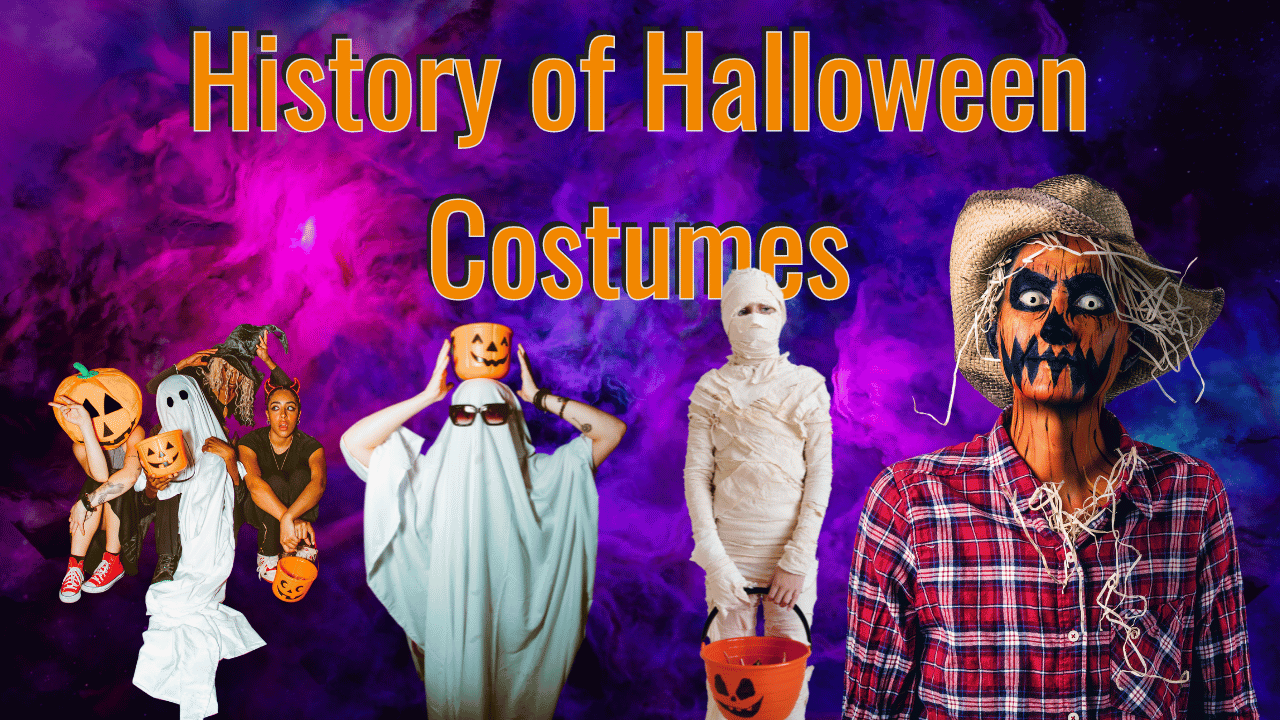
Halloween costumes have a long and spooky history. People have been dressing up for this holiday for hundreds of years. The custom started with the ancient Celtic festival of Samhain.
Halloween costumes likely began as a way to hide from or scare off evil spirits. Back then, people wore animal skins and heads. They thought this would protect them on the night when the barrier between the living and dead was thinnest.
Over time, the reasons for dressing up changed. Kids started wearing costumes to go trick-or-treating in the 1930s. Now, both kids and adults enjoy putting on costumes for Halloween parties and events.
Key Takeaways
- Halloween costumes started as a way to ward off spirits
- The tradition of dressing up for Halloween is over 2,000 years old
- Costume styles have changed from animal skins to pop culture characters
Origins of Halloween
Halloween has deep roots in ancient traditions and religious observances. It’s a holiday that has changed a lot over time. Let’s look at where it all started.
Ancient Celtic Roots
The story of Halloween begins with the Celts. They lived in Ireland, the UK, and northern France about 2,000 years ago. The Celts had a calendar that ended with summer and harvest time.
They thought the barrier between our world and the spirit world got thin on October 31. This made it easier for ghosts and spirits to cross over.
The Celts believed this helped their priests make predictions about the future. These prophecies were important to people who faced long, dark winters.
Samhain Festival
Samhain was a Celtic festival held on October 31. It marked the end of the harvest and the start of winter. People thought this was when the ghosts of the dead could return to the world of the living.
During Samhain, people would wear costumes. They often dressed up as animals or monsters. This was to trick or scare away any evil spirits that might cross over.
The Celts also built big bonfires. They burned crops and animals as sacrifices to their gods. These fires were meant to protect them during the coming winter.
Christian Influence
As Christianity spread, it began to change some pagan festivals. In the 8th century, Pope Gregory III made November 1 a day to honor all saints. This became known as All Saints’ Day.
The church wanted to replace Samhain with a Christian holiday. They kept some of the old traditions but gave them new meanings. The evening before All Saints’ Day was called All Hallows’ Eve.
People still dressed up, but now they wore costumes of saints, angels, and devils.
All Hallows’ Eve
All Hallows’ Eve slowly turned into Halloween. In America, different European ethnic groups and Native American traditions mixed together. This created the Halloween we know today.
Trick-or-treating started in the 1930s. Kids would dress up and go door-to-door asking for food or money. This custom grew more popular after World War II.
Halloween costumes changed too. People started dressing up as pop culture characters and famous people. Today, Halloween is a fun holiday for both kids and adults.
Evolution of Costumes
Halloween costumes have changed a lot over time. They started as simple disguises and grew into the fun, creative outfits we see today. Let’s look at how costumes evolved through history.
From Guises to Garments
Long ago, people wore simple costumes for Halloween. They used masks and face paint to hide who they were. Some folks put on animal skins or dressed up as ghosts.
These early costumes were meant to scare away evil spirits. People believed that on Halloween, the line between our world and the spirit world was thin. So they dressed up to blend in with the spirits.
As time went on, costumes got fancier. People started making outfits that looked like witches, monsters, and other spooky creatures.
Masquerade to Modern Costumes
In the 1800s and early 1900s, Halloween parties became popular. People wore fancier costumes to these events. They dressed up as characters from books and plays.
Some common costumes were:
- Ghosts
- Witches
- Pirates
- Clowns
Kids started trick-or-treating in the 1930s. This made Halloween costumes even more popular. People began to dress up as famous movie characters and TV stars.
Commercialization in the 20th Century
In the mid-1900s, companies started making Halloween costumes to sell in stores. This was a big change from homemade outfits. Now, people could buy ready-made costumes of their favorite characters.
Popular store-bought costumes included:
- Superheroes
- Disney princesses
- Movie monsters
Today, Halloween is big business. People spend lots of money on costumes each year. Many prefer to buy their outfits instead of making them at home.
Costume choices now include all sorts of things, from funny to scary to cute. There are options for pets too!
Cultural Significance
Halloween costumes play a big role in how people celebrate and express themselves. They bring folks together and let people show off their creativity.
Community and Celebration
Halloween costumes help create a festive mood. People of all ages dress up and join in the fun. Neighborhoods come alive with costumed trick-or-treaters. Friends host costume parties to show off their outfits.
Costumes spark conversations and laughter. They give people a chance to be silly or scary for a night. This shared experience brings communities closer.
Many towns hold Halloween parades. People march in costume and cheer each other on. It’s a time when the whole community comes out to celebrate together.
Expression of Identity
Halloween costumes let people try on new identities. For one night, anyone can be a superhero, monster, or celebrity. It’s a chance to step outside normal roles and rules.
Kids often pick costumes that show what they want to be when they grow up. Adults might choose outfits that reveal hidden sides of themselves.
Some use costumes to make statements about society or politics. Others pick outfits that celebrate their heritage or culture.
Dressing up on Halloween gives people freedom to express themselves in new ways. It’s a time when creativity and imagination run wild.
Costume Trends Over Time
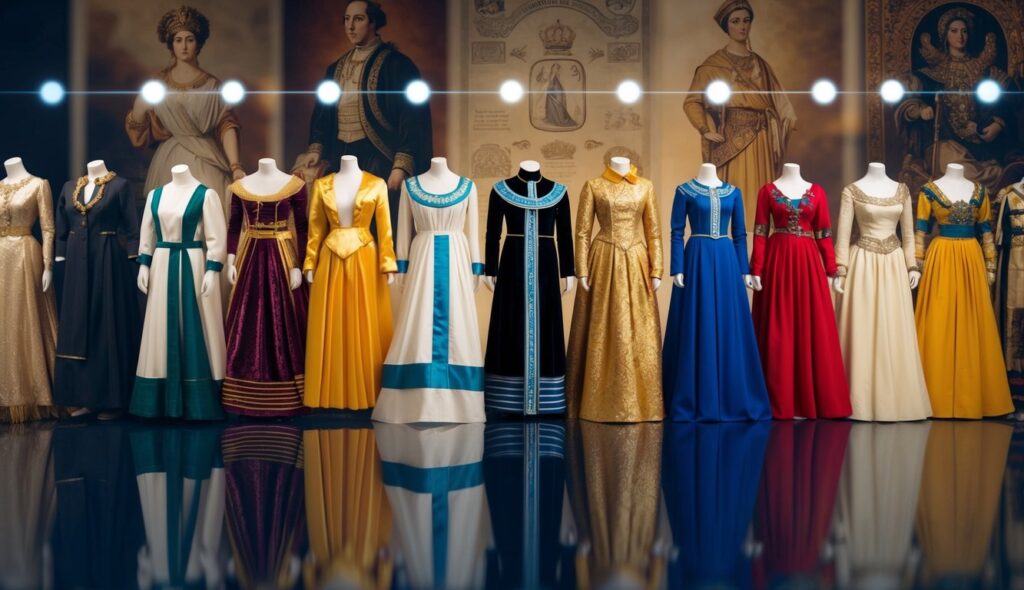
Halloween costumes have changed a lot over the years. People’s choices show what’s popular and important in different times. Let’s look at how costumes have evolved.
Historical Figures and Folklore
In the past, many Halloween costumes were based on classic spooky characters. Witches, ghosts, and monsters were common picks. People made these costumes at home using simple materials.
As time went on, historical figures became popular too. Kids and adults dressed up as famous people from the past. This trend showed how Halloween could be both fun and educational.
Folklore characters also stayed popular. Costumes of fairies, elves, and mythical creatures let people explore old stories and beliefs.
Pop Culture and Media Influence
TV shows, movies, and celebrities have had a big impact on Halloween costumes. In the 1980s, gory costumes became a hit thanks to horror films.
Star Wars costumes took off after the movies came out. People loved dressing as their favorite characters. This trend continues today with superhero costumes from Marvel and DC movies.
Music stars and famous actors are also common costume choices. These costumes let fans show their love for their idols.
DIY and the Maker Movement
The do-it-yourself (DIY) trend has brought new life to Halloween costumes. People are getting creative and making unique outfits. This trend is part of the larger maker movement.
Social media has boosted DIY costumes. People share their ideas online, inspiring others. Pinterest and Instagram are full of costume tutorials.
Homemade costumes can be very clever. Some people make costumes based on memes or current events. Others create detailed cosplay outfits of their favorite characters.
Manufacturing and Economics
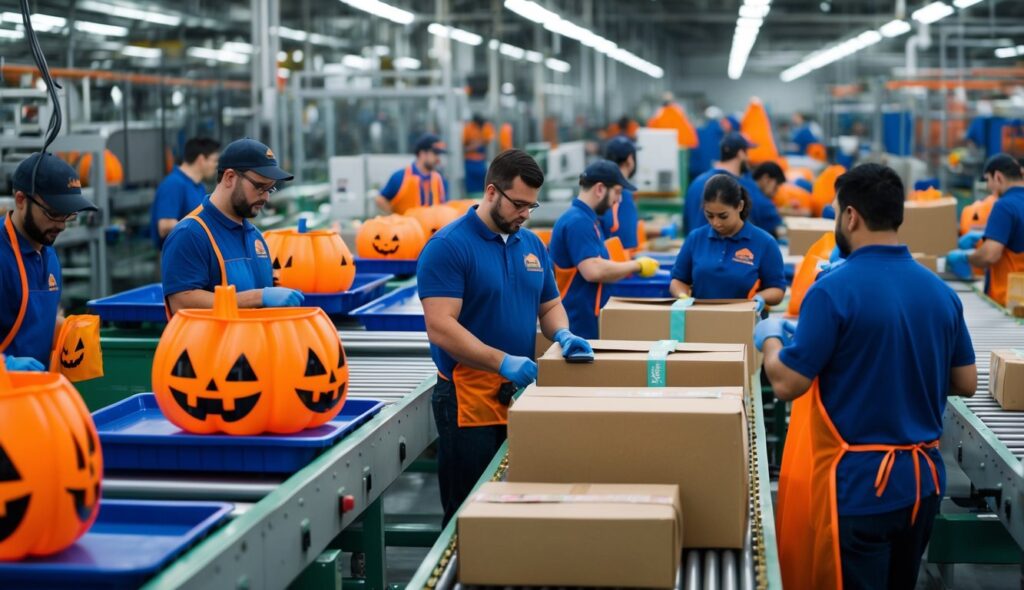
Halloween costumes have become big business. The way they’re made and sold has changed a lot over time. This has had a big impact on the holiday and the economy.
Mass Production and Retail
In the past, most Halloween costumes were homemade. People used old clothes or made simple outfits. But now, many costumes are mass-produced in factories.
Big companies make tons of costumes every year. They use cheap materials and fast production methods. This lets them make lots of costumes quickly and cheaply.
Stores start selling Halloween stuff earlier and earlier each year. Many put out costumes in August or even July. This gives people more time to shop and spend money.
Online shopping has changed things too. Now you can buy any costume you want with just a few clicks.
The Economy of Halloween
Halloween is now a huge economic force. People spend billions of dollars on costumes, candy, and decorations each year.
In the UK alone, people spend around £600 million on Halloween costumes yearly. That’s a lot of money for just one day!
Costume shops pop up in empty stores every fall. They create lots of seasonal jobs. Many people work extra hours to meet the Halloween rush.
The holiday isn’t just about costumes. It also boosts sales of candy, pumpkins, and spooky decorations. All this spending helps the economy in a big way each October.
Contemporary Costume Practices
Halloween costumes have changed a lot over time. People now have many choices for dressing up and staying safe while trick-or-treating.
Trick-or-Treating
Kids and adults alike love to dress up for Halloween. Popular culture shapes many costume choices. TV shows, movies, and video games often inspire costumes.
Some people make their own outfits. Others buy ready-made costumes from stores. Group costumes are fun too. Friends or families might dress up as characters from a favorite show.
Many adults join in the fun. They wear costumes to work or parties. Some towns have Halloween parades where everyone shows off their outfits.
Costume Safety and Regulation
Safety is very important for Halloween costumes. Bright colors and reflective tape help kids stay visible at night. Many parents add lights to their children’s costumes.
Costume makers must follow rules. They have to use materials that don’t catch fire easily. Masks need to have big eye holes so kids can see well.
Some places have extra rules for Halloween. They might ban scary masks or fake weapons. Schools often have dress codes for Halloween parties.
Parents should check costumes before kids wear them. They look for sharp edges or trip hazards. It’s also good to make sure makeup is safe for skin.
Frequently Asked Questions
Halloween costumes have a long and interesting history. People have many questions about where these spooky outfits came from and how they’ve changed over time.
Why do we dress up on Halloween?
People dress up on Halloween to have fun and scare away evil spirits. This tradition dates back over 2,000 years to the Celtic festival of Samhain. The Celts believed that on this night, ghosts could enter our world.
They wore costumes to trick the spirits and avoid being recognized. This old custom turned into the fun dress-up tradition we know today.
What’s the story behind Halloween costumes?
Halloween costumes started as a way to hide from ghosts. The Celts wore animal skins and heads to disguise themselves. Over time, this practice changed into dressing up as scary creatures.
People began to wear costumes of witches, vampires, and monsters. Today, Halloween outfits can be anything from superheroes to funny characters.
How did the tradition of Halloween costumes start?
The tradition began with the ancient Celtic festival of Samhain. People wore costumes to blend in with the spirits they thought roamed the earth on that night.
This custom spread to other cultures over time. It became popular in America in the early 1900s when Halloween parties became common.
When were the first Halloween costumes made?
The first Halloween costumes were made thousands of years ago by the Celts. But the costumes we know today started appearing about 100 years ago.
In the early 1900s, people began making homemade costumes for Halloween parties. Store-bought costumes became popular in the mid-1900s.
What were the very first Halloween outfits like?
The very first Halloween outfits were simple and homemade. The ancient Celts used animal skins and heads to make their costumes.
These outfits were meant to be scary and confusing to spirits. They weren’t the colorful, fun costumes we see today.
How has the tradition of Halloween costumes evolved over time?
Halloween costumes have changed a lot over the years. They started as simple disguises made from animal parts. Then they became homemade outfits of ghosts and witches.
In the mid-1900s, store-bought costumes became popular. Now, there are costumes for every idea imaginable. People spend billions of dollars on Halloween costumes each year.