
Halloween is a fun holiday filled with costumes and candy, but it can also bring about unwanted pranks, like having your house egged. To deter pranksters, keeping your property well-lit and visible is crucial. Motion-sensor lights can be particularly effective in scaring off anyone with bad intentions. Additionally, staying outside to greet trick-or-treaters can show that someone is always watching, making your home a less appealing target.
Another useful strategy is to talk to your neighbors and form a watch group for Halloween night. Having a neighborhood patrol makes it harder for pranksters to get away with their antics. Keeping an eye out for each other’s properties can make a big difference in preventing eggings and other pranks.
Lastly, consider installing security cameras. The mere presence of cameras can discourage potential pranks. If someone does try to egg your house, the recorded footage can help identify them. These preventative measures can greatly reduce the chances of your house being targeted, allowing you to enjoy a fun and prank-free Halloween.
Key Takeaways
- Keep your property well-lit and be present outside.
- Form a neighborhood watch group for Halloween night.
- Install security cameras to deter pranksters.
Understanding Halloween Pranks
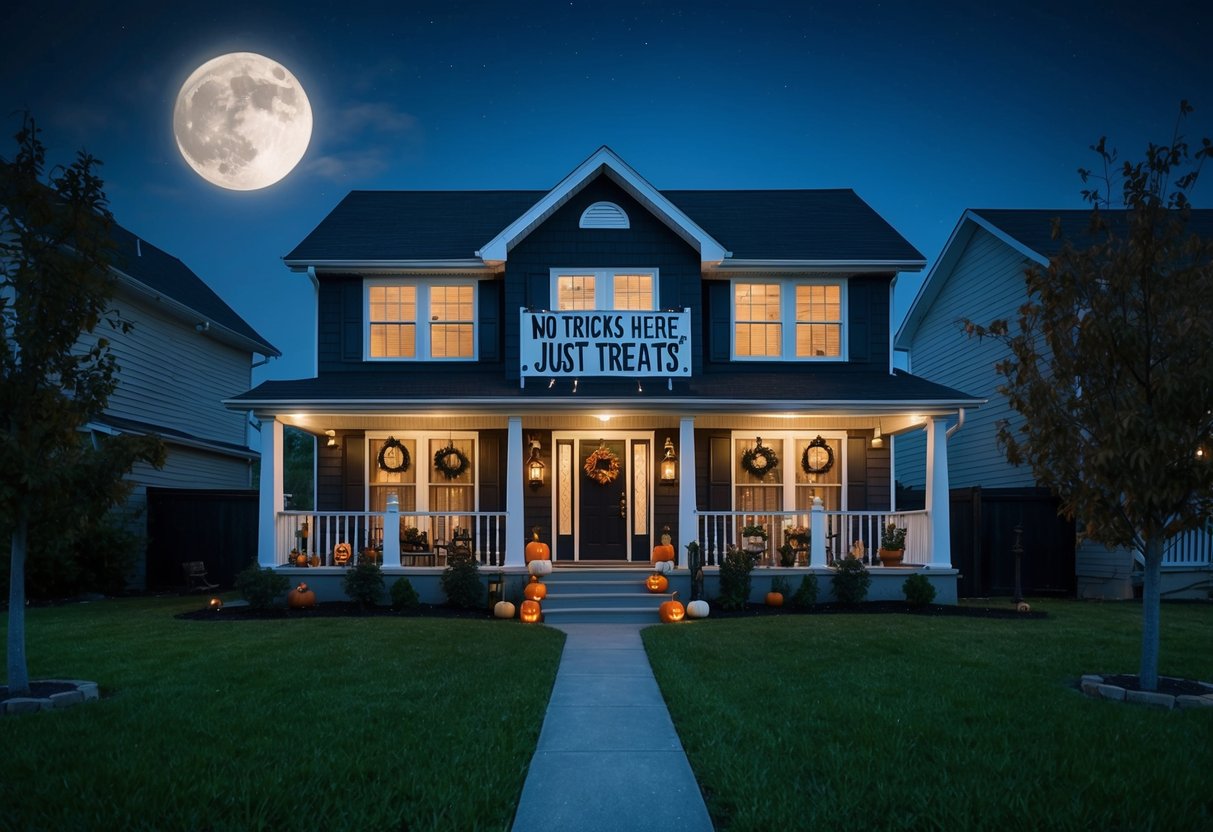
Halloween pranks are not just about harmless fun. They have a history and specific motivations behind them, and they can range from simple tricks to more serious incidents.
History and Motivations
Halloween pranks date back to ancient times. Early celebrations often included mischievous activities such as playing tricks or causing minor chaos. These pranks were mainly about trying to confuse spirits or ward off evil through playful behavior.
The motivations can vary. Some people prank as a way to have fun or scare their friends. For others, it’s a chance to rebel against authority or social norms. Understanding the history helps us see why these pranks are so ingrained in Halloween culture.
Common Pranks and Incidents
Common Halloween pranks include toilet papering trees, soaping or chalking windows, and egging houses. These activities are usually done at night, making them harder to prevent.
While some pranks are harmless, others can cause real damage. Houses getting egged can lead to permanent stains and damage if not cleaned quickly. Another frequent issue is the use of shaving cream or silly string, which can also damage property.
For more detailed strategies on protecting your property, consult resources like this guide and this article.
Preventive Measures for Homeowners
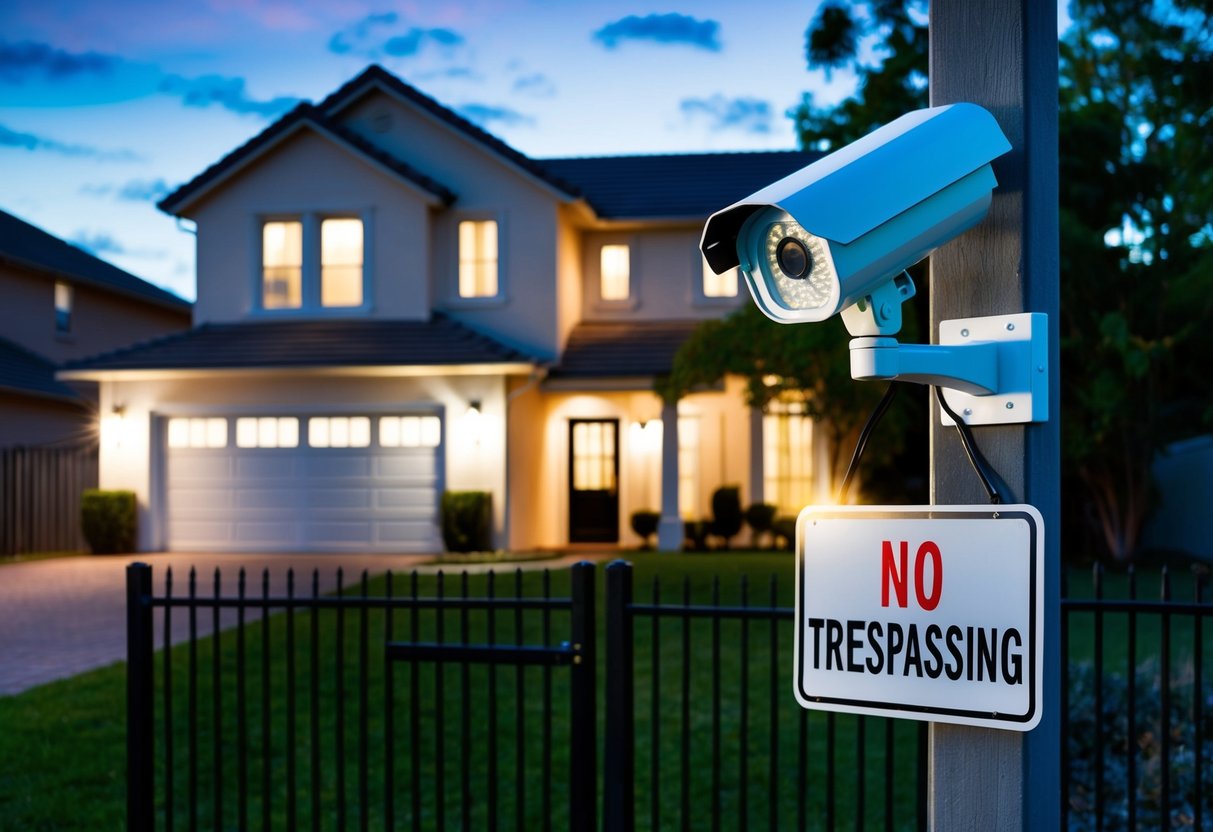
To make sure our homes don’t get egged on Halloween, we can adopt specific strategies like improving outdoor lighting, putting up clear property boundaries, and engaging more with our community.
Outdoor Lighting and Surveillance
Good outdoor lighting can deter pranksters from targeting our homes. We should install bright lights around our property, especially near potential hiding spots like bushes and dark corners.
Motion sensor lights are highly effective. They only turn on when movement is detected, which can surprise and scare away potential vandals.
Another tip is installing security cameras. Cameras placed in visible locations can discourage anyone from getting too close. We can even use fake security cameras as they can be just as effective in scaring off troublemakers.
Property Boundaries and Signage
Clearly marked property boundaries can also help. Fences and hedges not only provide privacy but can also serve as physical barriers.
Placing “No Trespassing” signs can be an additional deterrent. Signs like “Surveillance in Use” or “Neighborhood Watch” can make anyone think twice before entering our property.
Driveway alarms can alert us if someone steps foot on our drive. This way, we can be more prepared and vigilant throughout the evening.
Community Engagement Strategies
Connecting with our neighbors is another powerful tool. We can create or join a Neighborhood Watch program. This not only helps in sharing information but also makes everyone more vigilant.
Hosting a neighborhood meeting can be helpful. Discussing mutual concerns can lead to better strategies and stronger bonds.
We should also coordinate patrols with neighbors. Taking turns walking the block can keep any prankster activities at bay. The more visible presence we have, the less likely our homes will be targeted.
Strategies for October 31st
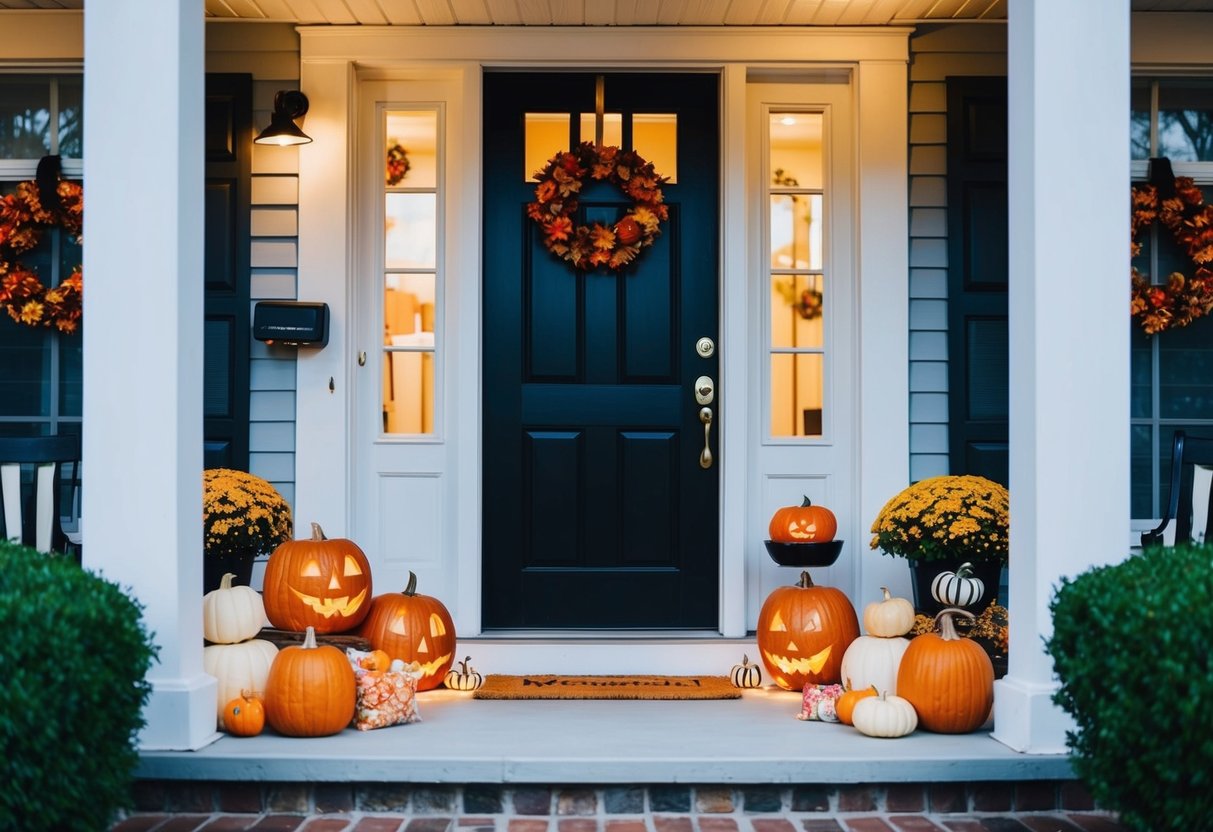
On Halloween night, there are effective ways to reduce the likelihood of your house getting egged. These strategies involve planning how to distribute treats, ensuring safe interactions with kids, and monitoring your property.
Distributing Treats Effectively
A well-lit and welcoming front yard can discourage pranksters. We should place clear signs directing trick-or-treaters where to go. Setting up a table with treats outside helps as it minimizes foot traffic to our doors and makes it easier for kids to grab their treats quickly.
Using pre-packaged treat bags can also speed up the process. This not only makes it safer for the kids but also reduces the chances of someone playing a prank while waiting. We can consider having an adult or older teen supervise the treat table to maintain order.
Safe Interaction with Trick-or-Treaters
Proper interaction with trick-or-treaters is crucial for safety and reducing egging risks. We should greet everyone warmly and keep our conversations brief. A friendly demeanor and keeping things moving will make our home less of a target.
It’s a good idea to ask about costumes or comment on them to keep the atmosphere light and enjoyable. That way, kids feel welcomed and less likely to retaliate with mischief. We should also avoid any reprimanding or negative interactions that could lead to pranks later in the evening.
Monitoring Your Property On Halloween Night
Keeping an eye on our property is essential. Using outdoor cameras or smart doorbells can help us monitor any unusual activity. These tools allow us to record footage, which can be useful if any vandalism occurs.
Additionally, we can consider setting up extra lighting around our property. Bright lights in dark corners can deter would-be pranksters. Having a few friends or family members stay outside or regularly check the yard can also help show that the house is being watched.
Frequently Asked Questions

Preventing your house from getting egged on Halloween involves several steps and knowing the legal and practical aspects can help you handle the situation better.
What measures can homeowners take to prevent their house from being targeted by egg throwers on Halloween?
We can improve outdoor lighting to deter mischief. Another step is to participate in neighborhood watch programs. Engaging with local youth activities may also help in minimizing such pranks.
What legal consequences do individuals face if caught egging a house?
Egging a house is considered vandalism, which is illegal. Individuals caught egging could face fines, community service, or even criminal charges. It is important for us to report any such incidents to local authorities.
How can I clean up egg mess effectively if my house gets egged?
The quickest way is to use a pressure washer. Alternatively, a mixture of warm water and white vinegar can also be effective. Scrubbing with a brush may be necessary for tougher stains.
Can installing security cameras deter potential pranksters from egging my property?
Yes, installing security cameras can act as a strong deterrent. Visible cameras make pranksters think twice before targeting our property. The footage can also help identify the culprits if an incident occurs.
What actions can I take if I witness vandalism such as egging in my neighborhood?
We should immediately report it to the authorities. Documenting the incident through photos or videos can aid in legal actions. Community vigilance and swift reporting help in curbing such activities.
How does egging affect a home’s exterior, and what long-term damage should homeowners be aware of?
Eggs can cause significant damage to paint and surfaces. The acid in eggs can lead to discoloration and even erosion over time. Prompt cleaning is essential to avoid lasting damage to our home’s exterior.