
A few years ago I saw the autumn display at Whole Foods and that got me wondering. How many types of pumpkins are there? I spent a few days looking into it what I found amazed me.
Pumpkins come in a wide variety of shapes, sizes, and colors. From tiny decorative gourds to massive orange giants, these versatile fruits offer something for everyone. There are over 100 pumpkin types in the Cucurbita family, with more than 700 distinct species.
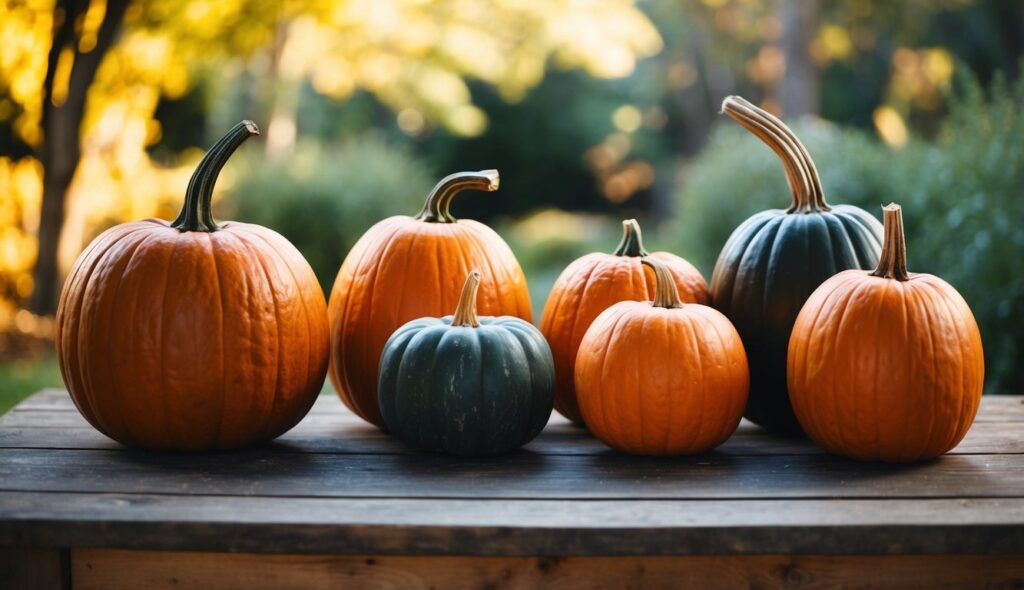
People love pumpkins for carving, cooking, and fall decorations. Some popular kinds include the classic orange Jack-o’-lantern pumpkins, white ghost pumpkins, and warty gourds. Farmers grow both giant pumpkins for contests and small sugar pumpkins for pies.
Key Takeaways
- Pumpkins have hundreds of varieties with different uses
- Many types can be eaten or used for decorations
- Pumpkin festivals celebrate the diversity of these fall fruits
History of Pumpkins
Pumpkins have a rich history that spans thousands of years. They’ve been grown for food and used in cultural traditions around the world.
Domestication and Early Cultivation
Pumpkins first grew in North America about 7,500 years ago. Native Americans grew them for food. They ate the seeds and flesh.
The first pumpkins were small and hard. Over time, people grew bigger, softer ones.
Europeans first saw pumpkins when they came to America. They liked them and took seeds back home.
By the 1800s, pumpkins were grown all over the world. Farmers made many new types.
Pumpkins in Traditions and Culture
Pumpkins play a big role in fall traditions. The most famous is Halloween jack-o’-lanterns.
People started carving pumpkins in Ireland. They used turnips at first. When Irish people moved to America, they switched to pumpkins.
Pumpkins are part of Thanksgiving too. Pumpkin pie became a holiday favorite in the 1800s.
In some places, giant pumpkin contests are popular. Growers try to grow the biggest pumpkin they can.
Pumpkins show up in stories and art too. The tale of Cinderella’s coach is a famous example.
Types of Pumpkins
Pumpkins come in many shapes, sizes, and colors. They can be used for different things like carving, cooking, and decorating.
Categorization by Use
Pumpkins can be grouped based on how people use them. Some are great for making jack-o’-lanterns. Others are perfect for pies and soups. There are even tiny pumpkins that look cute on a desk.
Carving pumpkins are usually big and have thin walls. This makes them easy to cut. Cooking pumpkins are often smaller with thick, sweet flesh.
Ornamental pumpkins come in fun colors and shapes. They’re used to decorate homes and gardens.
Varieties for Carving
Carving pumpkins are a Halloween favorite. The most common type is the Howden pumpkin. It’s big, orange, and has a sturdy stem.
Other good carving types include:
- Jack-O’-Lantern
- Connecticut Field
- Autumn Gold
These pumpkins have smooth surfaces. This makes them easy to draw on and cut. They also have large hollow centers. That’s perfect for putting candles inside.
Varieties for Cooking
Cooking pumpkins are sweeter and less stringy than carving types. The Sugar Pie pumpkin is a top choice for pies and baked goods. It’s small and has smooth, sweet flesh.
Other tasty cooking pumpkins are:
- Jarrahdale (blue-gray skin)
- Cinderella (looks like the fairytale coach)
- Long Island Cheese (shaped like a wheel of cheese)
These pumpkins make yummy soups, pies, and breads. They’re also good for roasting and pureeing.
Ornamental Varieties
Ornamental pumpkins add color and fun to fall decorations. They come in many sizes and colors. Some are even bumpy or have stripes!
Popular ornamental types include:
- Baby Boo (tiny white pumpkins)
- Jack Be Little (orange mini pumpkins)
- Turk’s Turban (looks like it’s wearing a hat)
Warty pumpkins are covered in bumps. They look spooky and cool. Striped pumpkins like One Too Many have cool patterns on their skin.
These pumpkins are great for making pretty fall displays. You can put them on porches, tables, or in gardens.
Cultivation
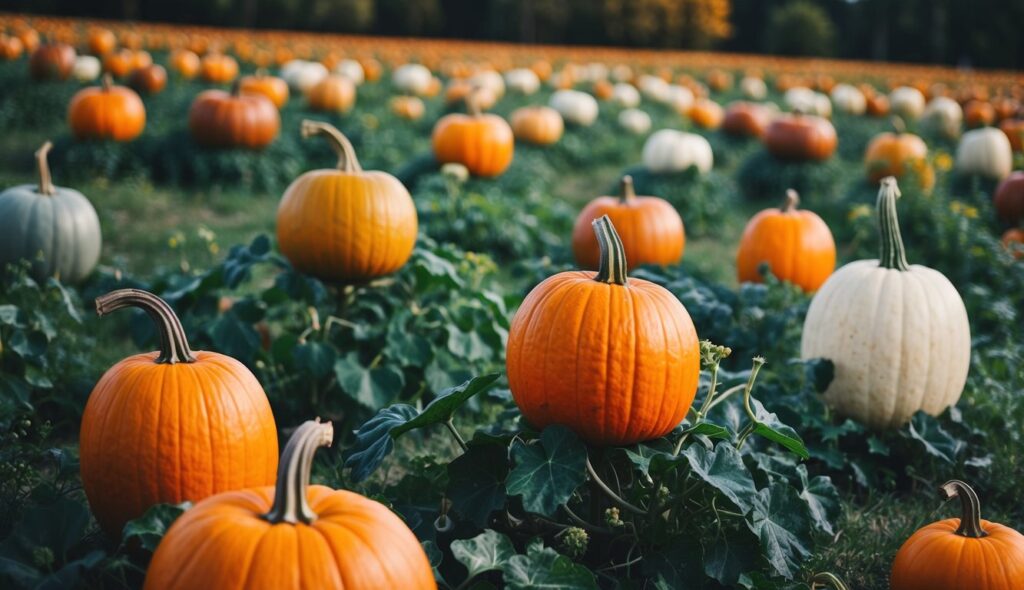
Growing pumpkins can be fun and rewarding. Here’s what you need to know about cultivating these diverse and colorful fruits.
Growing Conditions
Pumpkins love warm, sunny spots. They need at least 6 hours of direct sunlight each day. The soil should be rich in organic matter and drain well.
Pumpkins grow best when temperatures are between 50°F and 90°F. They can’t handle frost, so plant after the last spring frost date.
Different types of pumpkins have varying space needs. Large varieties need 50-100 square feet per hill. Smaller ones can grow in 3-4 foot wide rows.
Water deeply but not too often. About 1 inch per week is good. Use mulch to keep the soil moist and stop weeds.
Planting Techniques
Start pumpkin seeds indoors 3-4 weeks before the last frost. Or plant them directly in the garden after frost danger has passed.
Make small hills and plant 4-5 seeds per hill, 1 inch deep. Space hills 4-8 feet apart, depending on the variety.
After the seeds sprout, thin to the strongest 2-3 plants per hill.
For vining types, use trellises or fences to save space. This also keeps fruits off the ground.
Companion planting can help. Grow corn or sunflowers nearby to provide shade and wind protection.
Harvesting and Storage
Pumpkins are ready to pick when they’re fully colored and the rind is hard. The vine attached to the fruit will start to dry out too.
Cut pumpkins from the vine with pruning shears. Leave a few inches of stem attached. This helps them last longer.
Cure pumpkins in a warm, dry place for 10-14 days. This toughens the skin and improves flavor.
Store in a cool, dry place around 50-55°F. Good air flow is important. Don’t stack them or they might rot.
Most pumpkins can last 2-3 months if stored right. Some types, like Kratos, can keep even longer.
Nutritional Profile
Pumpkins pack a punch when it comes to nutrition. These orange gourds are full of vitamins, minerals, and fiber while being low in calories.
Health Benefits
Pumpkins are rich in vitamin A, which helps keep eyes healthy. They also have lots of vitamin C to boost the immune system. The fiber in pumpkins aids digestion and helps people feel full.
Pumpkins contain antioxidants that may lower the risk of some diseases. These include alpha-carotene, beta-carotene, and beta-cryptoxanthin. Some studies suggest these compounds might help prevent cancer.
The seeds are good for you too. They have protein, healthy fats, and minerals like zinc and magnesium. Eating pumpkin seeds might help lower blood pressure and cholesterol.
Culinary Uses
Pumpkins are very versatile in the kitchen. People use them in both sweet and savory dishes. The flesh can be roasted, pureed, or added to soups and stews.
Canned pumpkin is handy for making pies, muffins, and breads. Fresh pumpkin works well in risottos, curries, and pasta dishes. Pumpkin seeds make a great snack when roasted with spices.
Pumpkin spice, a mix of cinnamon, ginger, nutmeg, and cloves, is popular in fall drinks and desserts. It adds warmth and flavor to many recipes.
Some folks even use pumpkin in smoothies or oatmeal for a nutritious breakfast. The mild flavor blends well with other ingredients.
Pumpkin Festivals and Events
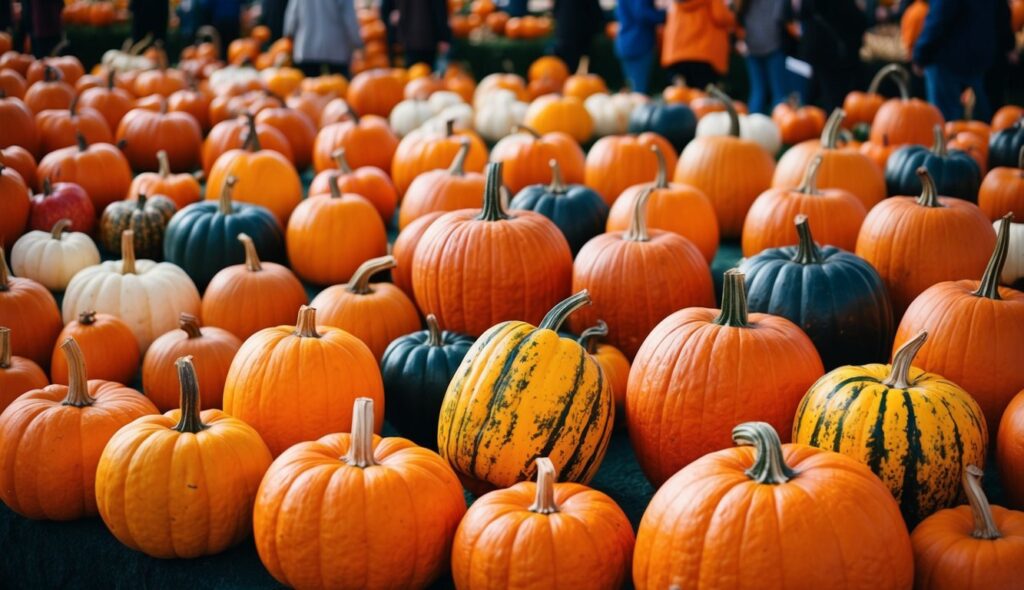
Fall brings lots of fun pumpkin events. People love to celebrate these orange fruits in many ways.
Pumpkin festivals are popular all over the U.S. These events often have pumpkin carving contests and pie eating races. Some festivals show off giant pumpkins that weigh hundreds of pounds.
Many farms have pumpkin patches where folks can pick their own pumpkins. Kids enjoy hay rides and corn mazes at these places too.
Some towns hold pumpkin chunking contests. People build machines to launch pumpkins as far as they can. It’s messy but fun to watch!
Pumpkin-themed runs and races happen in the fall. Runners often dress up in pumpkin costumes for these events.
Here are some popular pumpkin events:
- Half Moon Bay Art & Pumpkin Festival in California
- The Great Pumpkin Farm Fall Festival in New York
- Circleville Pumpkin Show in Ohio
- New Hampshire Pumpkin Festival
These events bring people together to enjoy all things pumpkin. They’re a great way to welcome the autumn season.
Conservation and Biodiversity
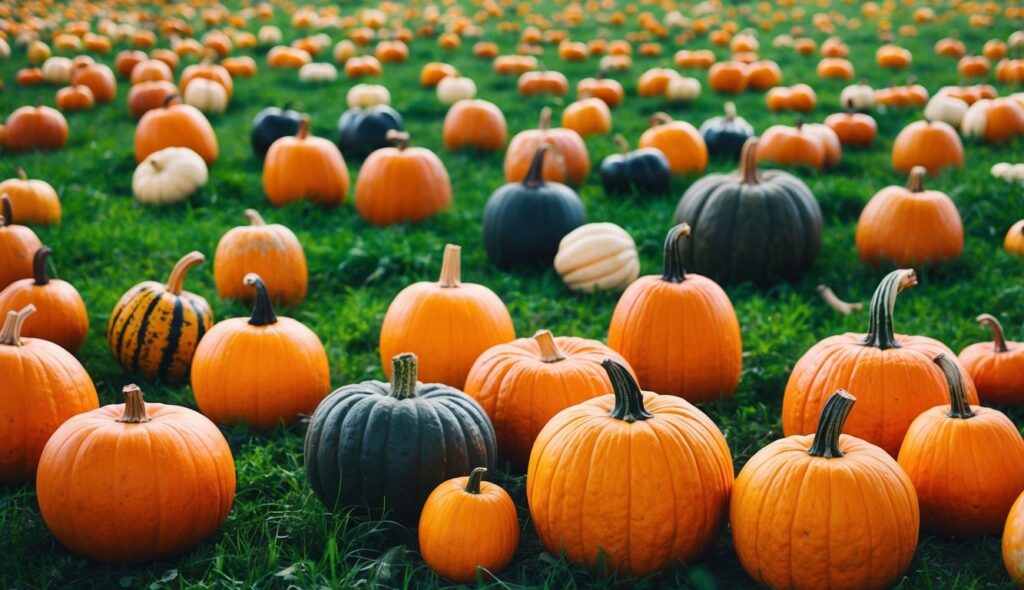
Pumpkin varieties face challenges in today’s world. People are working to protect these diverse squash for future generations.
Threats to Pumpkin Varieties
Many pumpkin types are at risk. Climate change affects pumpkin growth. Hotter summers and weird weather can hurt crops. Some old pumpkin types are being forgotten as farmers grow only a few popular kinds.
Pests and diseases also cause problems. They can wipe out whole fields of pumpkins. When farmers use only one type of pumpkin, it’s easier for these threats to spread.
Land use changes are another issue. As cities grow, we lose farmland. This means less space to grow different pumpkin varieties.
Conservation Efforts
People are working hard to save pumpkin types. Seed banks store many pumpkin seeds. This keeps rare varieties safe for the future.
Farmers and gardeners grow old pumpkin types. They share seeds with others. This keeps these pumpkins alive and growing.
Scientists study pumpkins to make them stronger. They look for ways to help pumpkins survive pests and bad weather.
Some groups teach people about different pumpkins. They show how cool and useful these squash can be. This gets more people interested in growing and saving pumpkin types.
Frequently Asked Questions
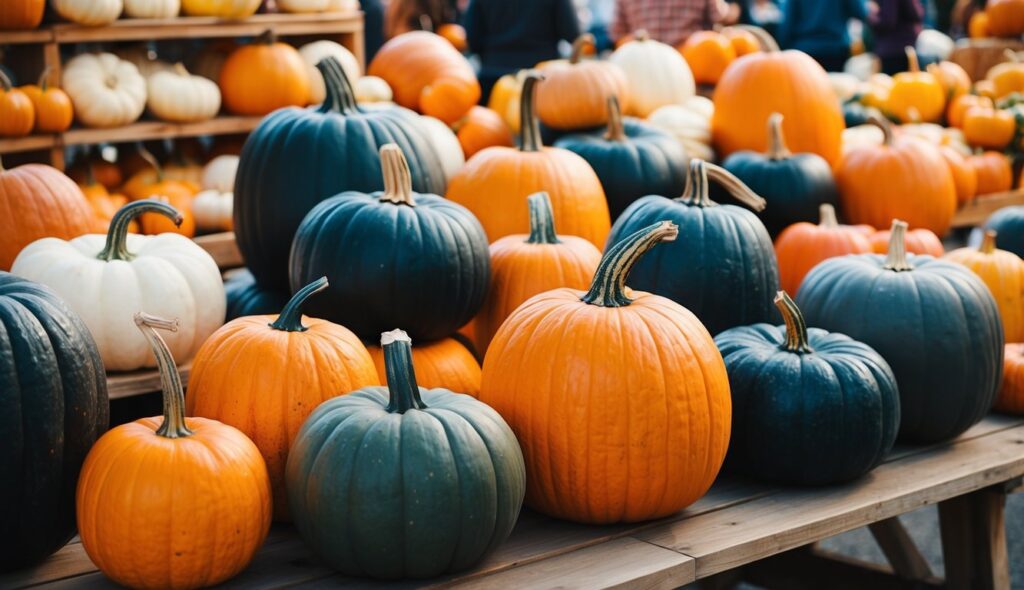
Pumpkins come in many shapes, sizes, and colors. People often have questions about the different types and how to use them.
What are the different varieties of pumpkins for cooking?
Some good cooking pumpkins are Sugar Pie, Jarrahdale, and Cinderella. These types have sweet, smooth flesh. They work well in pies, soups, and other recipes.
Sugar Pie pumpkins are small and round. Jarrahdale pumpkins are blue-gray. Cinderella pumpkins are flat and wide.
Can you show me a chart of pumpkin varieties?
Many websites have charts showing pumpkin varieties. These often include pictures and info about size, color, and use.
Charts help compare different types side by side. They make it easy to pick the right pumpkin for a project.
What are some uncommon or rare pumpkin types?
Some rare pumpkins are the Blue Doll, One Too Many, and Porcelain Doll. These have unique colors or patterns.
The Blue Doll is light blue. One Too Many looks like a bloodshot eye. Porcelain Doll pumpkins are pink.
What’s the difference between pumpkins and squash?
Pumpkins are a type of squash. All pumpkins are squash, but not all squash are pumpkins.
Pumpkins usually have hard, ribbed stems. Most have round shapes. Squash come in more varied shapes and colors.
Could you list the names of different pumpkin types?
Some common pumpkin types are:
– Jack-O-Lantern
– Cinderella
– Sugar Pie
– Big Max
– White Ghost
– Baby Boo
There are over 700 types of pumpkins in total.